Finance Minister Warns Nepal’s Foreign Aid Sources Are Shrinking
Finance Minister Dr. Swarnim Wagle has warned that Nepal’s traditional sources of foreign grants and concessional loans are narrowing, increasing the need to mobilize private and alternative capital.
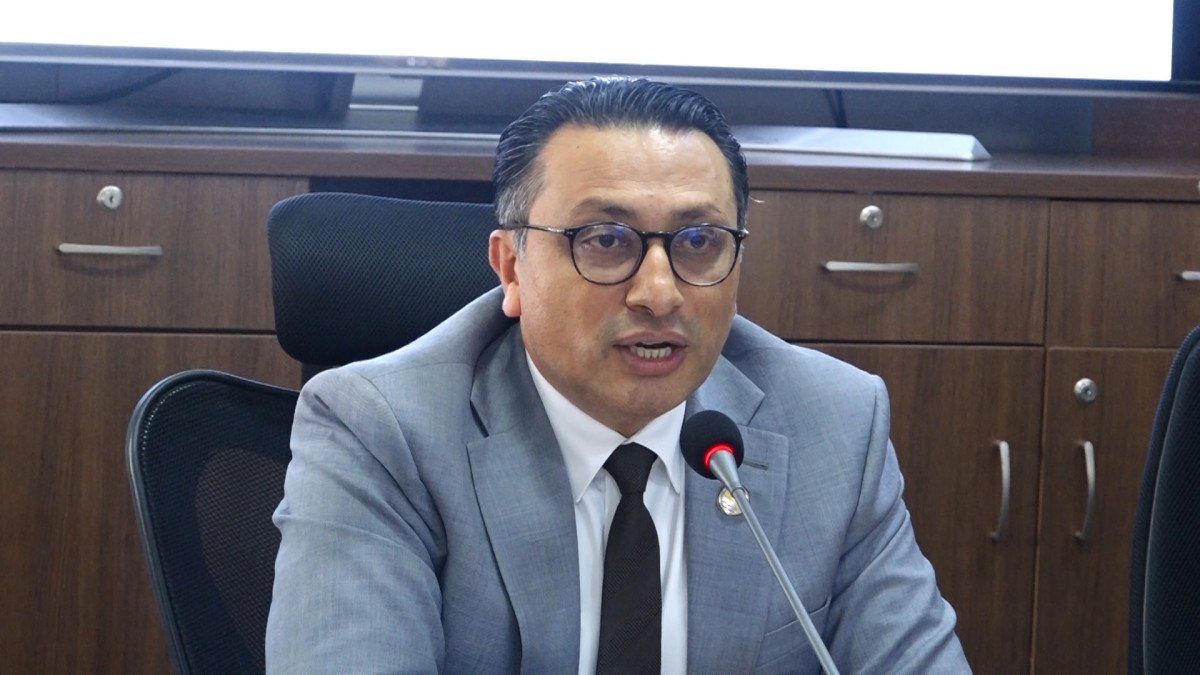
Finance Minister Dr. Swarnim Wagle has said Nepal is facing a gradual decline in foreign aid, with both grants and highly concessional loans becoming increasingly difficult to secure. Speaking at a meeting of the Public Accounts Committee on Thursday, Wagle said the country has historically relied on foreign assistance and borrowing to finance expenditures that could not be covered by domestic revenue. However, as the size of Nepal’s economy and budget has expanded, the relative share of foreign grants has continued to decline. He said the current budget targets around NPR 212 billion in foreign borrowing and estimates foreign grants at approximately NPR 62 billion, although actual grant receipts in recent years have often remained around NPR 10–15 billion despite higher budget estimates. Wagle warned that highly concessional financing from institutions such as the World Bank and Asian Development Bank is also becoming less favorable, with higher interest rates, shorter grace periods and reduced maturities. He acknowledged that Nepal has also struggled to fully utilize available foreign assistance due to weak spending capacity, procurement challenges and other institutional constraints. With traditional aid sources shrinking, the government is now seeking to mobilize private and alternative capital through instruments such as hybrid annuity models, offshore bonds, diaspora investment and alternative development finance. The government is also working with international institutions to channel overseas capital through Nepali banks to support private-sector lending.